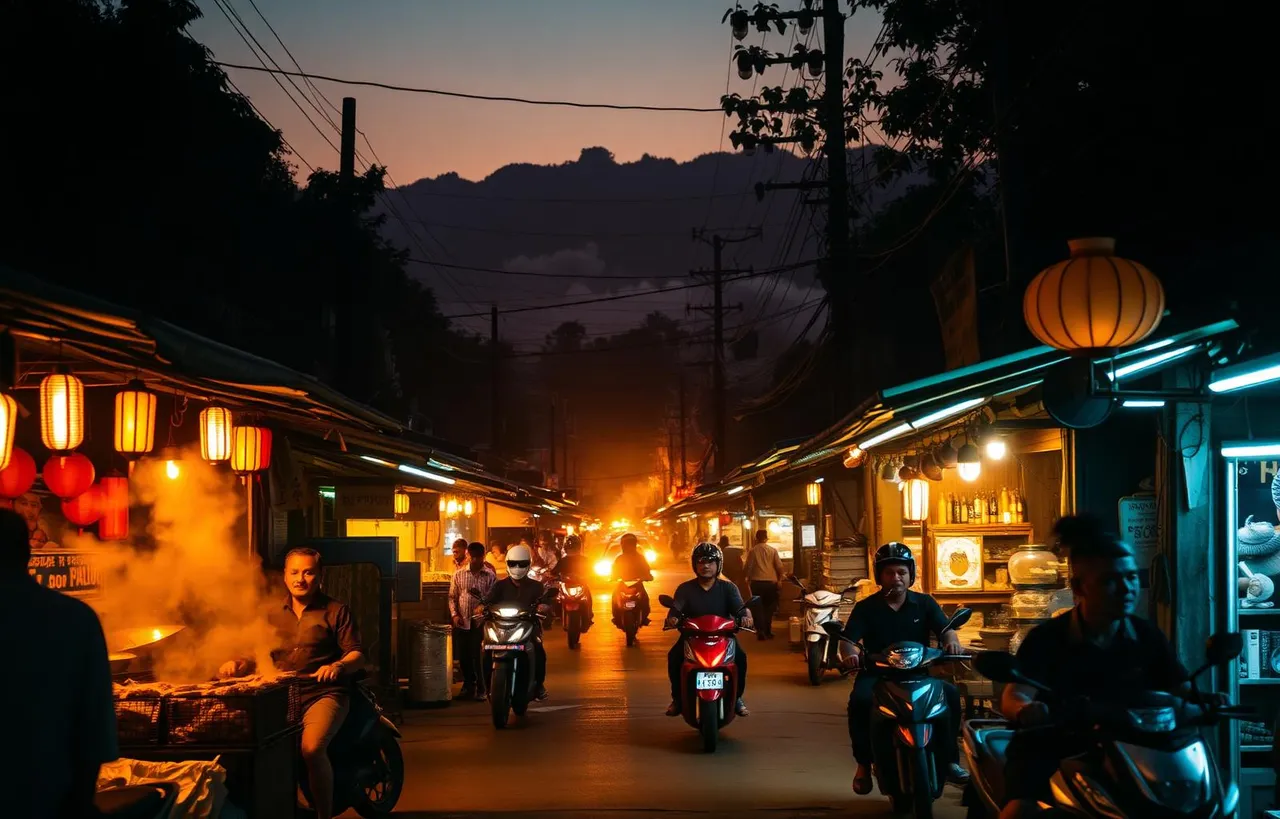
1. Vietnam — The Undisputed Budget Champion
But not every country in Asia is equally affordable. Japan and Singapore will test your budget. Cambodia and Nepal will barely touch it. And then there are the in-between places — Vietnam, Thailand, Indonesia — where the cost depends almost entirely on the choices you make.
This guide cuts through the vague advice and gives you real, honest numbers for the cheapest countries to visit in Asia in 2026. We're talking actual daily budgets, not the kind that assume you'll sleep in a tent and skip lunch.
If you ask seasoned Asia travellers which country gave them the most for their money, Vietnam comes up more than anywhere else. And in 2026, it still earns that reputation.
Why it's so cheap: Vietnam has a well-developed tourism infrastructure, which keeps competition high and prices honest. Local food is extraordinary and incredibly affordable. Transport between cities — whether by sleeper train, overnight bus, or budget airline — is efficient and cheap.
What a day actually costs: A budget traveller spending $25–$35 a day in Vietnam is doing well — guesthouse bed, three meals at local restaurants, a coffee or two, and maybe a short motorbike taxi. Mid-range travellers spending $55–$80 get boutique hotels, nicer restaurants, and daily activities without thinking twice.
- Street food meal (banh mi, pho, bun cha): $1–$2.50
- Sit-down restaurant meal: $4–$8
- Guesthouse or budget hotel: $12–$25/night
- Boutique hotel: $35–$60/night
- Grab ride across town: $1–$3
- Beer at a local bar: $0.80–$1.50
- Motorbike rental per day: $5–$8
Best for budget travellers: Hoi An, Hanoi's Old Quarter, the central highlands around Da Lat, and the less-visited towns of the north like Ha Giang.
One thing to know: The tourist areas of Ho Chi Minh City and some parts of Da Nang have crept up in price. Stick to local streets and you'll be fine.
2. Cambodia — Rock-Bottom Prices, Remarkable History
Cambodia is one of the few places in Asia where a genuinely comfortable trip — clean hotel, good food, real experiences — can be done for under $40 a day without any sacrifice.
Why it's so cheap: The local economy keeps food and accommodation prices very low, and the tourism infrastructure hasn't inflated like neighbouring Thailand. The US dollar is widely accepted alongside the Cambodian riel, which makes budgeting easy.
What a day actually costs: Budget travellers can get by on $20–$30 a day with ease. Mid-range is $50–$70 and includes comfortable guesthouses, good meals, and tuk-tuk transport.
- Local restaurant meal: $2–$5
- Guesthouse: $8–$15/night
- Mid-range hotel: $25–$45/night
- Tuk-tuk across Siem Reap: $1–$3
- Angkor Wat 3-day pass: $62 (worth every dollar)
- Fresh coconut from a street vendor: $0.50
Best for budget travellers: Siem Reap (base for Angkor temples), Kampot (laid-back riverside town), and Koh Rong island for beaches without the Koh Samui price tag.
One thing to know: Angkor Wat's entrance fee is a significant one-off cost — factor it in separately rather than letting it skew your daily average.
3. Nepal — Mountains and Monasteries on Almost Any Budget
Nepal sits at a different kind of affordability. The cities — particularly Kathmandu and Pokhara — are genuinely cheap. The trekking experience adds costs through permits and gear, but it's still vastly more affordable than comparable mountain destinations elsewhere in the world.
Why it's so cheap: Nepal's cost of living is among the lowest in Asia, which flows directly into food, accommodation, and transport prices. Trekking with a local tea house network keeps even multi-week mountain hikes budget-friendly.
What a day actually costs: In Kathmandu or Pokhara, $25–$40 a day covers you comfortably. On a classic trek like the Annapurna Circuit, factor in $30–$50 a day including accommodation in tea houses, meals, and guide fees.
- Dal bhat (the national dish, unlimited refills): $3–$5
- Guesthouse in Kathmandu: $10–$20/night
- Tea house on Annapurna trek: $5–$10/night (meals extra)
- Local bus between cities: $3–$8
- Trekking permit (TIMS + conservation area): $30–$50 total
- Yoga class in Pokhara: $5–$8
Best for budget travellers: Pokhara for lakeside calm, the Annapurna region for trekking, and Bhaktapur for medieval history without Kathmandu's chaos.
One thing to know: Hiring a guide for treks is now mandatory on several routes. It's both a safety measure and genuinely worth it — a good guide changes the experience entirely.
4. Indonesia (Outside Bali) — Where the Real Bargains Are
Everyone knows Bali. Fewer people know that the rest of Indonesia — Lombok, Java, Flores, Sulawesi, Sumatra — is significantly cheaper and in many ways more rewarding for travellers who want nature and authenticity over beach clubs.
Why it's so cheap: Indonesia is vast, and outside the tourist hotspots, prices reflect local incomes rather than international expectations. Local transport, food, and accommodation are all priced for Indonesians, which is excellent news for budget travellers.
What a day actually costs: On Java or Lombok, $30–$45 a day is generous. Even in Bali, staying slightly away from Seminyak and Canggu brings costs down significantly.
- Warung meal (nasi goreng, mie goreng, gado-gado): $1.50–$3
- Guesthouse outside main tourist areas: $8–$15/night
- Local minibus (bemo) between towns: $0.50–$3
- Entry to Borobudur: $25 (foreigners)
- Komodo National Park boat tour: $50–$80 per person
- Fresh juice at a local market: $0.80
Best for budget travellers: Yogyakarta (base for Borobudur and Prambanan), Lombok's Gili Islands before they peak in price, and Flores for the Komodo dragon boat trips.
One thing to know: Internal flights in Indonesia are cheap and often necessary for the distances involved. Budget airlines like Lion Air and Citilink connect major islands for $20–$50.
5. Laos — Slow, Beautiful, and Genuinely Affordable
Laos is the quiet one in Southeast Asia — often skipped in favour of its louder neighbours, which is exactly why it's worth going. It's calm, genuinely beautiful, and still relatively untouched by the kind of tourism inflation that raises prices without raising quality.
Why it's so cheap: Laos has less tourism infrastructure than Vietnam or Thailand, which keeps prices grounded. The slow pace also means you naturally spend less — it's not a country that rushes you toward activities or experiences.
What a day actually costs: Budget travellers can live well on $30–$40 a day. Mid-range is $60–$80 and covers charming boutique guesthouses and riverside dinners.
- Local noodle soup (khao piak): $1.50–$2.50
- Guesthouse in Luang Prabang: $15–$25/night
- Slow boat down the Mekong (2 days): $25–$35 including basic accommodation
- Motorbike rental per day: $8–$12
- Beer Lao (the local lager, excellent): $1–$1.50
- Waterfall entry fee: $2–$5
Best for budget travellers: Luang Prabang for temples and the famous morning alms ceremony, Vang Vieng for nature without the old party reputation, and the 4,000 Islands (Si Phan Don) in the deep south.
One thing to know: Luang Prabang's Old Town UNESCO status has pushed accommodation prices up slightly compared to the rest of Laos — still affordable, but worth knowing.
6. India — Enormous Country, Enormous Value
India deserves a mention in any honest list of cheap Asian destinations, even though it operates differently from Southeast Asia. The country is so large and varied that a single daily budget almost doesn't make sense — but the baseline is consistently low.
Why it's so cheap: India's sheer size creates massive competition in every category of travel. Food, trains, guesthouses, and local transport are all priced for a local market of over a billion people.
What a day actually costs: Budget travellers in Rajasthan or Varanasi can get by on $20–$35 a day. Southern India and Kerala tend to run slightly higher. Mid-range is $50–$80.
- Thali meal at a local dhaba: $1.50–$3
- Guesthouse (budget): $8–$18/night
- Second-class sleeper train (long journey): $5–$15
- Auto-rickshaw ride: $0.50–$2
- Taj Mahal entry (foreigners): $15
Best for budget travellers: Rajasthan for palaces and desert, Varanasi for the Ganges ghats, Kerala's backwaters, and Hampi for ancient ruins with almost no crowds.
One thing to know: India rewards slow travel. The cheapest and most memorable experiences often come from staying in one place longer rather than rushing between cities.
How Do These Countries Compare?
Here's a quick side-by-side for a comfortable budget traveller (not backpacker, not luxury):
Vietnam — $55–$80/day · Strongest value: food and city exploration
Cambodia — $50–$70/day · Strongest value: history and simplicity
Nepal — $40–$60/day · Strongest value: trekking and mountain scenery
Indonesia (outside Bali) — $35–$55/day · Strongest value: nature and island variety
Laos — $55–$75/day · Strongest value: slow travel and rivers
India — $50–$75/day · Strongest value: scale and cultural depth
A Few Things That Affect Your Budget Everywhere
Regardless of which country you choose, a few habits will protect your budget without ruining the experience:
Eat where locals eat. The single most reliable way to spend less and eat better. A busy local lunch spot with plastic stools beats a tourist menu every time.
Use ride-hailing apps. Grab works across most of Southeast Asia. GoJek in Indonesia. Ola in India. They're always cheaper than negotiating with street taxis.
Travel overnight when possible. An overnight bus or train between cities saves you a night of accommodation while covering ground. Vietnam's sleeper trains and Cambodia's overnight buses are genuinely comfortable.
Book accommodation directly or through local platforms. International booking platforms charge hotels a commission that often gets passed to you. Messaging a guesthouse directly or booking through a local platform frequently gets you a better rate.
Don't exchange money at airports. The rates at arrival halls are almost always poor. Use an ATM in the city or a currency exchange in a busy shopping area.
The Honest Bottom Line
The cheapest country in Asia isn't a fixed answer — it depends on your travel style, where you're coming from, and which experiences matter most to you. But the countries in this list consistently offer something that's increasingly rare in modern travel: the feeling that your money is buying you something real.
A three-week trip through Vietnam and Cambodia. A two-week Nepal trek. A slow month moving through Java and Lombok. All of these are genuinely within reach for travellers on modest budgets, and none of them require cutting corners on the things that actually matter.
Asia remains one of the last parts of the world where budget travel and meaningful travel are the same thing. That's worth protecting — which means eating at the warung, taking the local bus occasionally, and leaving the overpriced beach club for someone else.
Start Planning Your Asia Trip
Find cheap flights into Asia: Regional hubs like Kuala Lumpur, Bangkok, and Singapore unlock the whole continent. Read our cheap flights guide →
Where to stay on a budget: Boutique guesthouses, eco-lodges and family-run hotels across Asia. See our economic hotels guide →
Getting around between countries: Buses, trains, ferries and budget flights. Our transportation guide → covers it all
Updated for 2026. All prices are approximate in USD and based on real traveller reports and current exchange rates.
Frequently asked questions
What is the cheapest country to visit in Asia right now?+
Laos, Cambodia, Nepal and rural Vietnam consistently come in cheapest, with daily budgets of $20–$30 covering a guesthouse, three local meals, and local transport. Sri Lanka and Indonesia follow close behind once you leave the main tourist hubs.
How much money do I need per day to backpack Asia?+
Budget travellers spend $25–$40/day in Southeast Asia (dorm or guesthouse, street food, public transport). Mid-range comfort with private rooms and a few activities lands around $50–$80/day. Japan and Singapore push that to $90+ even on a budget.
Is it cheaper to travel Asia solo or as a couple?+
Couples save 20–30% because rooms cost the same for one or two people and you can split transport, SIM cards and tours. Solo travellers offset this by staying in dorms and joining group day trips.
Which Asian country is cheapest for first-time travellers?+
Thailand is the easiest entry point: low prices, great infrastructure, English signage and a huge backpacker trail. Vietnam is a close second with even lower food and transport costs once you're comfortable navigating.
Some links may be affiliate links. We may earn a commission at no extra cost to you.