Kuala Lumpur neighbourhoods in 60 seconds
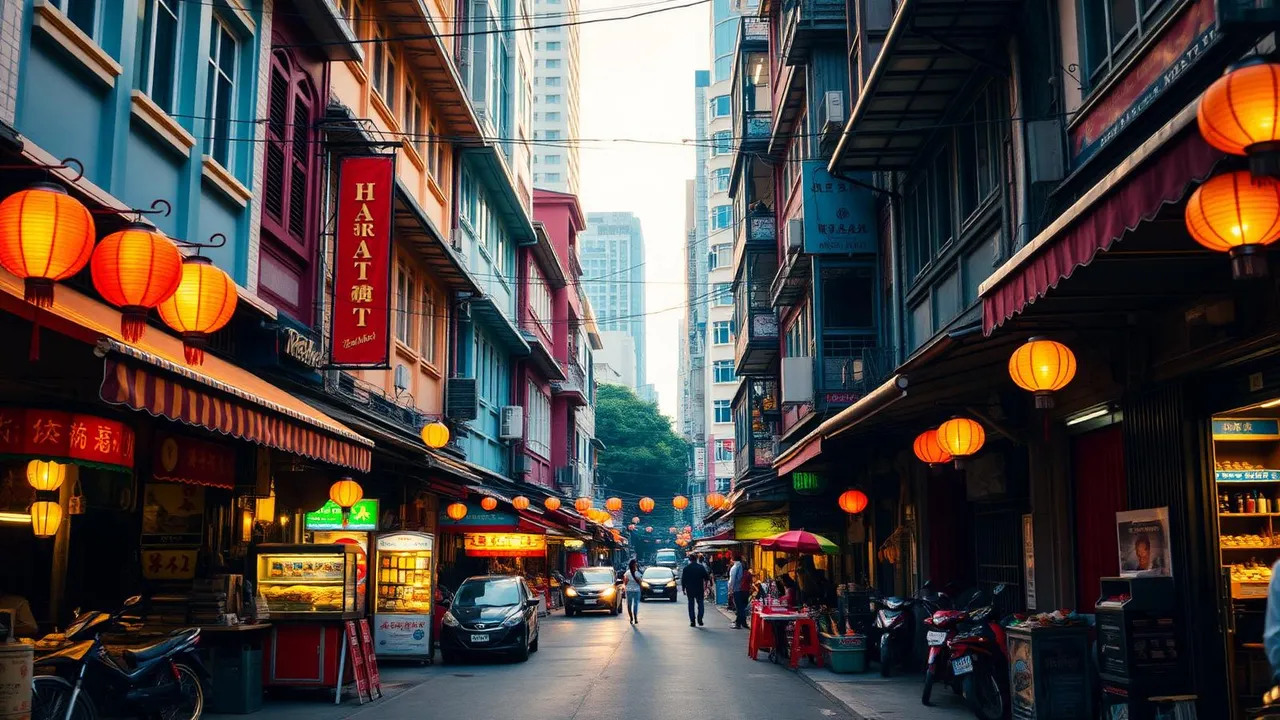
KL is a city of distinct pockets. KLCC is glass towers and the Petronas park; Bukit Bintang is shopping, nightlife and street food; Chinatown (Petaling Street) is heritage shophouses; Bangsar and TTDI are where locals eat on weekends.
First-timers should base in KLCC or Bukit Bintang — both are walkable to most highlights and well-served by the monorail.
Day 1 — KLCC, Petronas Towers & Bukit Bintang
Start with Petronas Twin Tower tickets (book online — same-day walk-ups sell out by 9 am). Walk through KLCC Park, lunch at one of the food courts in Suria KLCC, then cross via the air-conditioned skybridge to Pavilion in Bukit Bintang for the afternoon.
Evening: dinner at Jalan Alor hawker street, then a rooftop bar at Heli Lounge or Marini's 57 for the towers at night.
Day 2 — Chinatown & Kuala Lumpur's temples
Take the LRT to Pasar Seni. Walk Petaling Street, then Kwai Chai Hong (a restored alley of murals), Sin Sze Si Ya Temple and Masjid Jamek — KL's oldest mosque, where the two rivers meet.
For lunch, queue at Yut Kee for Hainanese chicken chop or Soong Kee's beef noodles. Afternoon: skip-the-line entry tickets to the Islamic Arts Museum (chronically underrated) and the bird park in Lake Gardens, both bookable in advance.
- Wear long sleeves for temple visits
- Carry cash — many hawker stalls don't take cards
- Avoid Jalan Petaling's 'branded' stalls — go for food, not goods
Day 3 — Best day trip from Kuala Lumpur
The two best day trips are Batu Caves (40 minutes by KTM commuter train, free entry) and Cameron Highlands (3 hours by van — tea plantations, cool weather). For a half-day, the Genting Highlands cable car and Sky Worlds theme park are kid-friendly and easy to pre-book.
Guided day trips out to Kuala Selangor for the synchronised fireflies are an underrated evening option — pickup is usually from KLCC.
At Batu Caves, the 272 steps are steep and slippery in the rain. Go before 10 am — the monkeys are calmer and the light is better for photos.
Getting around Kuala Lumpur
KL has six rail lines (LRT, MRT, monorail and KTM) that intersect at a handful of hubs — KL Sentral, Masjid Jamek, KLCC. A Touch 'n Go card costs RM 10 and works on every line.
Grab is the dominant ride-hailing app and is usually cheaper than metered taxis. For day trips out of the city, renting a car is easy but parking in central KL is expensive and traffic is heavy on weekday afternoons.
Kuala Lumpur SIM cards & connectivity
A travel eSIM activated before you land is the painless option for short stays — Malaysia has fast LTE coverage and no airport queue. For longer trips, a Maxis or Digi tourist SIM card from a phone shop in any mall is cheaper per gigabyte.
Hotel Wi-Fi is usually fast in KL but flaky in the older Chinatown guesthouses — bring a small VPN if you're working from cafés on public Wi-Fi.
Frequently asked questions
How many days do I need in Kuala Lumpur?+
Three full days is ideal — one for KLCC and Bukit Bintang, one for Chinatown and the temples, and one for a day trip to Batu Caves or Putrajaya.
Is Kuala Lumpur safe for tourists?+
Yes — KL is one of Southeast Asia's safer capitals. Standard precautions apply: watch for pickpockets in crowded markets and avoid unmarked taxis in favour of Grab.
What is the best way to get around Kuala Lumpur?+
Grab is cheap and reliable for door-to-door trips. The LRT and Monorail connect KLCC, Bukit Bintang and Chinatown for RM 1.50–4 per ride.
Topics & destinations
Some links may be affiliate links. We may earn a commission at no extra cost to you.