The route at a glance
Fly into Tokyo Haneda or Narita and out of Osaka Kansai (KIX) — an 'open-jaw' booking saves a wasted day backtracking. The route runs Tokyo → Hakone → Kyoto → Nara → Osaka, all on one straight line down the Tokaido Shinkansen. Total in-country transport time is under 6 hours of train travel across the whole trip.
Nights: 3 in Tokyo, 1 in Hakone, 3 in Kyoto, 2 in Osaka (with the last morning at KIX for the flight home). If you can't book an open-jaw, swap Osaka for an extra Tokyo night and fly home from Haneda — the Shinkansen back is 2h 20m and 14,000 yen.
What to pre-book (before you fly)
Japan rewards planners. These are the things you genuinely need to lock in before you arrive:
teamLab Planets / Borderless in Tokyo — sells out a week ahead. Ghibli Museum tickets release on the 10th of the previous month and disappear in minutes. Shibuya Sky sunset slots fill up. Tsukiji or Toyosu market tours for the morning tuna auction. Mount Fuji day-tour tickets if going May–October.
Pocket WiFi or eSIM — order before you fly. Airalo, Ubigi or Sakura Mobile all work; eSIMs are easiest if your phone supports it. Allow ~$25 for 10 days of data.
IC card (Suica or Pasmo) — load via Apple Wallet or Google Wallet before arrival. Works on every train, bus, metro and convenience store nationwide.
Don't pre-book restaurants for your whole trip. Most great meals in Japan are walk-in tachinomi, ramen counters or izakayas. Reserve only for the 1–2 special dinners you really want.
Days 1–3: Tokyo
Day 1 — Shinjuku & Shibuya. Land, drop bags, ride the train into the city. Start gentle: Shinjuku Gyoen garden if you have energy, Omoide Yokocho alleys for grilled-skewer dinner, then a slow walk to Shibuya Crossing and up to Shibuya Sky for sunset — the best skyline view in Tokyo.
Day 2 — Asakusa, Ueno & Akihabara. Senso-ji temple at opening (08:00), Nakamise-dori snack street, then the Sumida river to the Tokyo Skytree area. Afternoon: walk Ueno Park (museums if it rains), and end in Akihabara for arcades, anime and the wonderfully nerdy Yodobashi camera store.
Day 3 — Harajuku, Meiji & teamLab. Meiji Shrine in the morning forest, Takeshita-dori for kawaii overload, lunch in Aoyama, afternoon at teamLab Planets in Toyosu. Dinner in Ebisu or Nakameguro for grown-up izakayas away from the tourist crowds.
Tokyo's subway system looks intimidating but Google Maps gives perfect platform-level directions. Just tap your IC card on entry and exit — the fare is calculated automatically.
Day 4: Hakone & Mount Fuji
Buy a Hakone Free Pass (~6,100 yen for 2 days) at Shinjuku and take the 08:00 Romancecar. The pass covers the loop: pirate ship across Lake Ashi, ropeway over the volcanic Owakudani valley, switchback train back to Hakone-Yumoto, and one onsen stop.
Stay one night in a traditional ryokan with a kaiseki dinner and private rotenburo (outdoor bath). Even budget-minded travellers should splurge once here — it's the single best in-country experience for most first-timers. Fuji views are weather-dependent; mornings have the best odds.
Days 5–7: Kyoto
Catch the Shinkansen from Odawara to Kyoto (2h 10m, 12,800 yen). Drop bags at your ryokan or hotel in Gion, Higashiyama or near Kyoto Station.
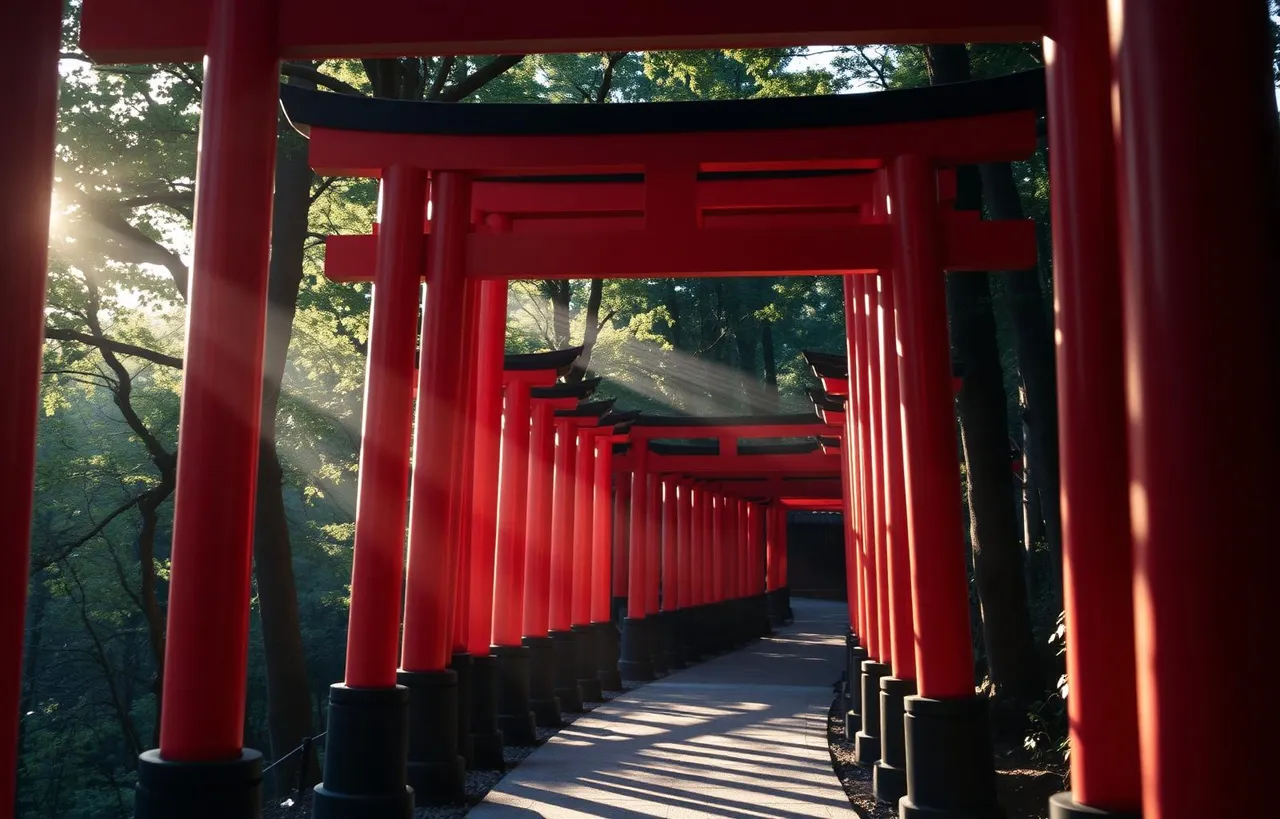
Day 5 — Southern temples. Fushimi Inari at sunrise (06:30, before the crowds) — climb at least halfway up Mount Inari through the red torii tunnel. Afternoon at Tofuku-ji and a slow walk through Higashiyama back streets: Kiyomizu-dera, Ninenzaka, Sannenzaka.
Day 6 — Western Kyoto. Arashiyama bamboo grove at opening, Tenryu-ji temple, lunch in Arashiyama village, monkey park for the view, then the romantic Sagano scenic railway back. Evening in Pontocho alley for kaiseki or yakitori.
Day 7 — Northern temples & matcha. Kinkaku-ji (Golden Pavilion), Ryoan-ji rock garden, Nishiki Market for grazing lunch, an afternoon tea ceremony in Gion (book 1 week ahead), and an evening Gion walking tour to spot real geiko.
Buy a 1-day Kyoto bus pass (700 yen) — most temples are bus-served, not subway. Or rent a bike: Kyoto is flat and bike-friendly.
Day 8: Nara day trip
45 minutes from Kyoto on the JR Nara line (or the Kintetsu Nara line — slightly faster). Spend the morning in Nara Park with the famous bowing deer, Todai-ji for the giant Buddha (15-metre bronze), and Kasuga-taisha with its 3,000 stone lanterns. Lunch in town, return to Kyoto for one last evening.
Alternative: swap Nara for Himeji (Japan's most stunning castle, also ~45 minutes by Shinkansen) or for the temples and bay of Miyajima if you don't mind a longer day.
Days 9–10: Osaka
Hop the Shinkansen (15 minutes, 1,500 yen) or local express (45 minutes, 580 yen) to Osaka. Drop bags in Namba or Umeda.
Day 9 — Eat. Osaka is Japan's kitchen. Lunch on okonomiyaki in Dotonbori, afternoon at Osaka Castle and the Umeda Sky Building, evening kushikatsu and street takoyaki crawl through Shinsekai. Stay out late — Osaka's nightlife is friendlier and rowdier than Tokyo's.
Day 10 — Last morning. Pick one: a Kuromon Ichiba seafood breakfast and souvenir shopping in Den Den Town, or a half-day at Universal Studios Japan if you have kids or are a Harry Potter / Nintendo World fan. Kansai Airport is 45 minutes from Namba on the Nankai Rapi:t.
JR Pass vs paying as you go
Big change for 2026: the JR Pass price rose 70 % in October 2023 (now ~50,000 yen for 7 days). The maths no longer favours short trips. For this exact 10-day itinerary, you'll spend roughly 35,000–40,000 yen on the trains we use, so paying per ride is cheaper than the pass.
Use IC cards (Suica/Pasmo) for everyday metros and JR locals. Buy Shinkansen tickets individually at the green ticket window or via the SmartEX app. The pass only makes sense now if you're adding Hiroshima, Kanazawa or a Hokkaido leg.
How much 10 days in Japan costs
Per person, excluding international flights, at 2026 prices:
Budget: $1,500–$1,900. Hostels and capsule hotels ($35/night), conbini and ramen meals ($25/day), local trains, free temples.
Mid-range: $2,800–$3,800. 3-star business hotels ($110/night), 1 ryokan night ($250), mix of ramen and izakaya dinners ($50/day), Shinkansen, paid museums.
Comfort: $5,000+. 4–5 star hotels, kaiseki ryokan, fine-dining sushi, taxis, private day-tour guides.
Two cost-saving levers that work: (1) eat lunch from depachika basements in department stores — restaurant-quality bento for ~$8; (2) book hotels 8+ weeks ahead — Japanese hotels rarely discount last-minute.
First-timer tips that actually matter
Cash is still king at smaller restaurants and temples. Withdraw from 7-Eleven ATMs — they take foreign cards and have English menus.
No tipping. Anywhere. It's confusing for staff and sometimes refused.
Garbage bins are rare. Carry a small plastic bag for wrappers and bottles until you find a conbini.
Trains stop around midnight. Last trains are strictly enforced; budget a taxi or capsule hotel if you're out later.
Tattoos and onsen. Many traditional onsen still refuse visible tattoos. Cover with a patch, choose tattoo-friendly bathhouses, or book a ryokan with a private rotenburo.
Learn three phrases: sumimasen (excuse me / sorry), arigatou gozaimasu (thank you), and onegaishimasu (please). They'll cover 80 % of interactions.
Frequently asked questions
Is 10 days enough for Japan?+
Yes — 10 days is the sweet spot for a first trip. It covers Tokyo (3 days), a day in Hakone, Kyoto (3 days), a Nara day trip and 2 days in Osaka, all on one Shinkansen line. You'll see the icons without rushing.
Do I need a JR Pass for 10 days in Japan?+
Not anymore. Since the October 2023 price hike, the 7-day JR Pass costs about 50,000 yen — more than the ~35,000–40,000 yen you'll spend buying Tokyo–Kyoto–Osaka Shinkansen tickets individually. Skip the pass unless you add Hiroshima or Hokkaido.
What is the best time to visit Japan?+
Late March to early April for cherry blossoms (most expensive), late October to early December for autumn foliage (gorgeous, cheaper than spring), or January–February for snow and fewer crowds. June is rainy season; July–August is hot and humid.
How much does 10 days in Japan cost?+
Roughly $1,500–$1,900 budget, $2,800–$3,800 mid-range, or $5,000+ comfort per person, excluding international flights. Tokyo and Kyoto hotels are the biggest variable.
Should I fly into Tokyo or Osaka?+
Fly into Tokyo (Haneda or Narita) and out of Osaka Kansai. The 'open-jaw' booking is the same price or cheaper than a return and saves a wasted day backtracking on the Shinkansen.
Do I need to speak Japanese?+
No. English signage on trains and at major attractions is good, Google Translate handles menus and conversations well, and Japanese people are extremely patient with tourists. Learn sumimasen, arigatou gozaimasu and onegaishimasu and you're fine.
Topics & destinations
Some links may be affiliate links. We may earn a commission at no extra cost to you.