Why visit Sri Lanka
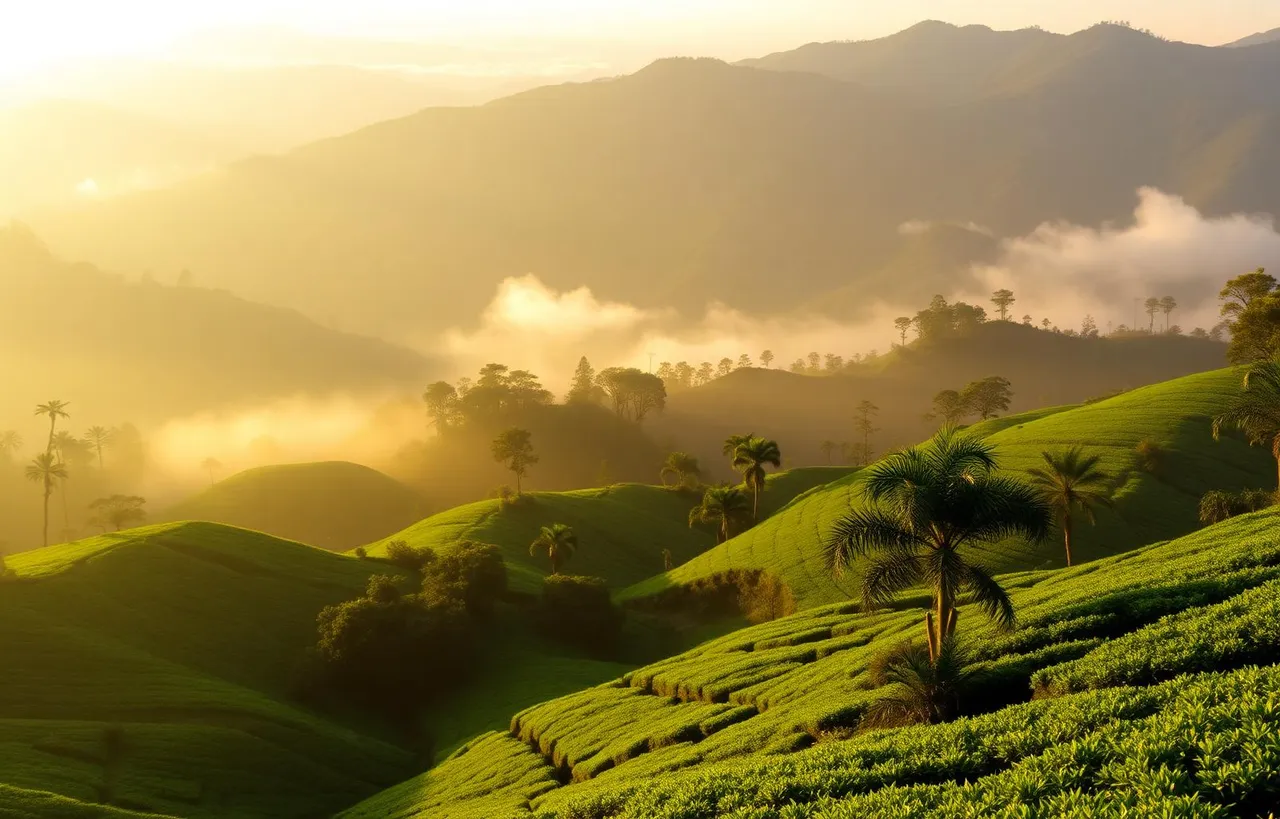
Sri Lanka packs an entire continent of landscapes into a single teardrop-shaped island. In one short trip you can wake up in misty tea hills, ride a colonial-era train across waterfalls and cloud forest, watch wild leopards hunt at sunset, and finish the day eating fresh tuna curry on a quiet beach in the south. For travellers who want the diversity of Southeast Asia without the long internal flights, Sri Lanka is one of the most rewarding destinations in Asia.
It is also one of the easiest countries in Asia to travel on a modest budget. English is widely spoken, prices are fair, and the road and rail network — although slow — reaches almost every place worth visiting. Before you fly, compare cheap flights to Asia so you can pair Colombo with another regional hub if you want to extend the trip.
If you only have a week, focus on the cultural triangle (Sigiriya/Dambulla), the hill country (Kandy → Ella) and one beach town in the south. Trying to add the north or east in 7 days means spending half the trip on buses.
Best places to visit in Sri Lanka
Colombo. Most trips start here. The capital is not the highlight of Sri Lanka, but Pettah market, Galle Face Green at sunset and a Sri Lankan rice-and-curry lunch are a gentle introduction. One night is enough.
Kandy. A lakeside city in the central highlands and home to the Temple of the Sacred Tooth Relic, the country’s most important Buddhist shrine. The botanical gardens at Peradeniya and a Kandyan dance show in the evening round out a perfect day and a half.
Ella. The hill-country backpacker favourite, surrounded by tea estates, hiking trails (Little Adam’s Peak, Ella Rock) and the famous Nine Arch Bridge. The Kandy → Ella train is one of the most beautiful rides in Asia — book a reserved second-class ticket weeks in advance.
Sigiriya. The 5th-century rock fortress is Sri Lanka’s most iconic site. Climb at sunrise to avoid the heat and tour buses, then explore the Dambulla cave temples in the afternoon.
Mirissa. The south coast’s easiest beach town — calm bay, palm-lined sand, and one of the world’s best places to spot blue whales between November and April.
Galle. A fortified Dutch colonial old town on the southern tip, perfect for sunset walks along the ramparts, boutique shopping and a slower last night before flying out.
Yala National Park. The country’s flagship safari destination and the highest density of leopards in the world. Pair it with Bundala or Udawalawe if you want elephants without the crowds.
Best nature activities
Sri Lanka is one of the most biodiverse countries on the planet for its size. The activity list below stays close to nature — exactly what most Horizon Asia readers come here for.
Jungle exploration. Sinharaja Forest Reserve, a UNESCO rainforest in the southwest, is the country’s best jungle walk. Local naturalist guides are mandatory and inexpensive — you can also compare activity tickets and tours for guided forest day trips from Galle and Ella.
Hiking and mountain views. Adam’s Peak (2,243 m) is the classic pilgrimage hike, climbed overnight to reach the summit for sunrise. World’s End in Horton Plains is an easier alternative with a dramatic cliff-edge viewpoint. In Ella, Little Adam’s Peak takes under an hour and is doable in flip-flops.
Tea plantation visits. Around Nuwara Eliya and Haputale, working estates like Pedro, Bluefield and Lipton’s Seat run short tours that end with a free cup of fresh Ceylon tea. book attraction tickets online if you want to lock in a slot during peak season.
Wildlife safari. Half-day jeep safaris in Yala start before dawn and cost around USD 35–60 per person when booked locally. For a smoother experience with hotel pickup, book Asia tours and activities packages bundle the park entrance, jeep and guide.
Beach relaxation. Mirissa, Hiriketiya and Tangalle on the south coast are the classic post-jungle wind-down. On the east coast, Arugam Bay is one of the best surf points in Asia between May and September.
- Carry leech socks for Sinharaja in the wet season
- Book Adam’s Peak between December and May (the rest of the year it’s closed for pilgrims)
- Always go on safari with a small operator — fewer jeeps, calmer wildlife
- Refill water from filtered jugs at guesthouses to cut down on plastic
Best budget travel tips
Sri Lanka is one of the more affordable countries to travel in Asia. A comfortable mid-range budget sits around USD 50–70 per day including a private room, three local meals, transport and one activity.
Three small habits make a big difference. First, eat at local rice-and-curry shops rather than tourist cafés — a full plate of seven curries costs USD 2–3. Second, take the train for any leg that has one (Kandy → Ella, Ella → Haputale, Colombo → Galle). Third, before you fly out from a delayed connection, check flight delay compensation — Sri Lanka’s monsoon weather causes more delays than people realise.
Cash is still common outside Colombo. Pull out larger amounts at airport ATMs and keep a small reserve. A simple use a VPN while traveling keeps your banking sessions safe on guesthouse Wi-Fi.
Where to stay: budget, mid-range and luxury
Budget (USD 10–25). Family-run guesthouses are everywhere, especially in Kandy, Ella, Mirissa and around Sigiriya. Expect a clean private room, mosquito net and home-cooked breakfast.
Mid-range (USD 35–80). Boutique tea-estate bungalows around Ella and Haputale, eco-lodges near Sinharaja, and surf hotels in Weligama are the sweet spot for first-time visitors.
Luxury (USD 150+). Geoffrey Bawa’s legacy hotels (Heritance Kandalama, Lighthouse Galle) and Resplendent Ceylon’s Wild Coast and Ceylon Tea Trails are among Asia’s best stays.
Transportation tips
The fastest way from Bandaranaike International Airport (CMB) into Colombo or directly to Kandy is a private car. book a private airport transfer in advance — it’s fixed-price, meets you on arrivals and saves you the late-night taxi haggle.
Trains are scenic but always book second-class reserved seats weeks ahead for the Kandy → Ella line — they sell out. Intercity buses are cheap and frequent, but crowded. Tuk-tuks handle short hops and are now metered via the PickMe app in Colombo and Kandy.
If you want full control of your route — perfect for the cultural triangle and south coast — compare car rental options or book international car rental. Most travellers hire a car with driver in Sri Lanka, which costs roughly USD 50–80 per day and removes the stress of left-hand-drive country roads.
Best time to visit Sri Lanka
Sri Lanka has two monsoons that hit opposite coasts at opposite times. December to March is the best window for the cultural triangle, hill country and south/west coast beaches. May to September is the dry season for the east coast (Trincomalee, Arugam Bay) and the north.
Whales appear off Mirissa from November to April; Yala’s leopards are most active in the dry months (February to July). The shoulder months of April and September are quieter and cheaper, though rain showers are likely.
Suggested 7-day Sri Lanka itinerary
Day 1 — Arrive in Colombo. Walk Galle Face at sunset, dinner at the Ministry of Crab or a local rice-and-curry place.
Day 2 — Sigiriya. Transfer north (4 hrs). Climb Sigiriya at sunrise the next morning; visit Dambulla caves in the afternoon.
Day 3 — Kandy. Drive south to Kandy (3 hrs), Temple of the Tooth in the evening, Kandyan dance show.
Day 4 — Train to Ella. The classic 7-hour scenic ride through tea country.
Day 5 — Ella hikes. Little Adam’s Peak at sunrise, Nine Arch Bridge, an afternoon tea-estate tour.
Day 6 — South coast. Transfer to Mirissa or Weligama. Sunset surf lesson, beach dinner.
Day 7 — Galle and departure. Morning walk on Galle ramparts, lunch in the old town, drive to Colombo for your flight.
Final travel tips
Before you fly: get your visa online (ETA), pack a light rain layer and a sarong, and download offline Google Maps for the hill country. Sort your data before landing with install an eSIM before landing or buy a travel eSIM for Asia — both work the second you switch on the phone at the airport. If you prefer flexible global plans, get an international eSIM before your trip or stay connected with a travel eSIM are solid alternatives.
Sri Lankans are unfailingly warm and welcoming — return it with small gestures. Cover shoulders and knees in temples, remove shoes at religious sites, never pose for photos with your back to a Buddha statue, and don’t ride or feed wild elephants.
Plan your next Asia trip with Horizon Asia travel guides. Some links may be affiliate links. We may earn a commission at no extra cost to you.
Frequently asked questions
Is Sri Lanka safe for first-time travellers?+
Yes. Sri Lanka is one of the safer countries in Asia for solo and family travel. The usual precautions apply — watch your belongings on crowded trains and avoid isolated beaches after dark.
How many days do you need in Sri Lanka?+
Seven days is the realistic minimum to see the cultural triangle, hill country and one beach. Ten to fourteen days is much more relaxed and lets you add Yala or the east coast.
Is the Kandy to Ella train worth it?+
It is one of the most scenic train rides on the planet. Book a reserved second-class window seat at least three weeks ahead through 12go.asia or a local agent.
Do I need a visa for Sri Lanka?+
Most travellers need an Electronic Travel Authorisation (ETA), applied online before arrival. Allow at least two days for processing.
Some links may be affiliate links. We may earn a commission at no extra cost to you.